Wicket Keeping Gloves: How To Choose The Right Pair
Sizing, webbing, padding and leather all change how a glove behaves. A practical guide to picking a pair that fits and lasts.
On This Page
- What Are Wicket Keeping Gloves?
- Wicket Keeping Gloves: Important Features to Check Before Buying
- How to Choose the Correct Wicket Keeping Gloves Size
- Types of Wicket Keeping Gloves for Different Players
- Should You Buy Inner Gloves for Wicket Keeping?
- Wicket Keeping Gloves vs Batting Gloves
- How to Maintain Your Wicket Keeping Gloves
- Conclusion
- Frequently Asked Questions About Wicket Keeping Gloves
Wicket keeping gloves are among the most important pieces of equipment for a cricket wicketkeeper. A good pair helps you catch the ball cleanly, collect deliveries safely, and complete stumpings with confidence. The right gloves also provide comfort and protection during long matches.
However, choosing wicket keeping gloves is not just about buying an expensive pair or selecting a popular brand. You need to consider the size, palm grip, finger protection, padding, flexibility and quality of the materials.
A pair that feels comfortable initially may become uncomfortable after several overs if the fit is wrong. Gloves that are too large can affect control, while tight gloves may restrict finger movement.
This guide explains the important features to check before buying wicket keeping gloves, how to find the correct size and what beginners, club players and experienced keepers should consider.
What Are Wicket Keeping Gloves?
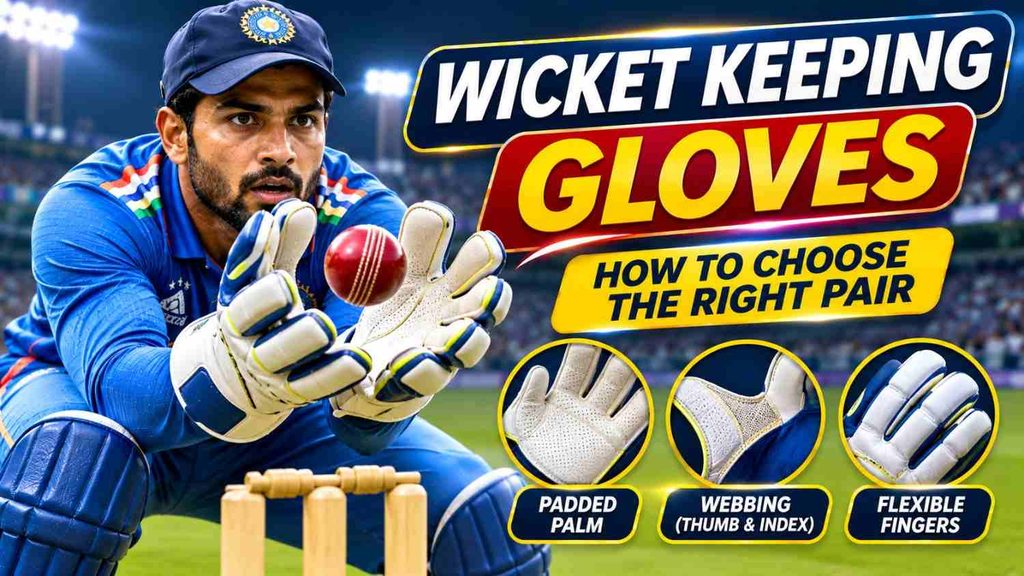
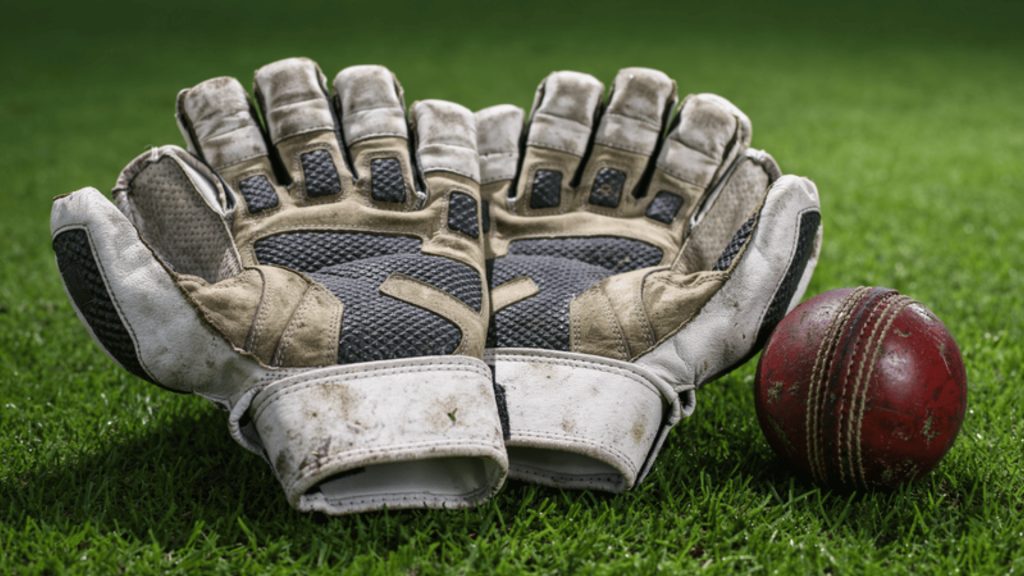
Wicket keeping gloves are specially designed cricket gloves worn by the wicketkeeper when standing behind the stumps. They help the player catch fast deliveries, collect the ball from the pitch and prevent it from slipping through the hands.
Unlike batting gloves, wicket keeping gloves have a padded palm, a catching surface and webbing between the thumb and index finger. Their design focuses on catching and controlling the cricket ball rather than gripping a bat.
A good pair should offer three main benefits:
- Grip: Helps the keeper hold the ball securely.
- Protection: Helps reduce the impact of fast deliveries on the palms and fingers.
- Flexibility: Allows the fingers and hands to move naturally when catching or collecting the ball.
The right combination helps a wicketkeeper perform consistently without unnecessary discomfort.
Wicket Keeping Gloves: Important Features to Check Before Buying
Before choosing a pair, understand the main parts and how they affect performance.
1. Correct Size and Fit
Size should be your first consideration. Wicket keeping gloves must fit comfortably around your hands without feeling too tight or loose.
Your fingers should reach the ends of the glove. There should not be excessive empty space around the fingertips. The wrist section should also stay secure without restricting movement.
If the gloves are too large, the ball may not sit correctly in your hands. If they are too small, your fingers may feel compressed and uncomfortable.
Always check the manufacturer’s size chart because sizing can differ between brands and models.
2. Palm Grip
The palm is the main catching surface of wicket keeping gloves. Look for a material that provides a secure grip when collecting the ball.
Some gloves use textured or rubberised palm surfaces to help create friction and improve ball control. The exact palm construction varies between models.
Check the entire palm before buying. Look for an even, undamaged catching surface without worn patches, loose sections or damaged areas.
The palm should also allow you to form a natural catching cup. A very stiff palm can make catching difficult, especially for beginners.
3. Padding and Finger Protection
Wicketkeepers regularly receive fast deliveries from bowlers. Good padding helps reduce the impact on the palms and fingertips.
Check the following areas:
- Palm padding for cushioning.
- Finger padding for impact protection.
- Fingertip protection to reduce direct contact with the ball.
- Thumb protection for comfort and support.
- Wrist and cuff construction for a secure and comfortable fit.
The padding should provide protection without making the gloves too bulky. Excessive padding can reduce flexibility and make it harder to collect the ball.
The level and design of finger, thumb and palm protection vary between models. Check the manufacturer’s product specifications before buying.
4. Webbing Between the Thumb and Index Finger
Webbing is an important part of wicket keeping gloves. It connects the thumb and index finger and supports the area between them.
It helps prevent the thumb and index finger from separating too far. It can also assist the keeper when collecting high or overhead deliveries. However, it must not act as an unrestricted catching pocket.
Under Law 27.2 of the MCC Laws of Cricket, webbing is permitted only between the index finger and thumb. It must be a single piece of non-stretch material without reinforcements or tucks.
The top edge must be taut and must not extend beyond the straight line joining the top of the index finger and thumb when the thumb is fully extended.
Law 27.2.2 also permits facing material to be attached to the webbing, provided the webbing continues to meet the required construction and does not contain prohibited reinforcements or tucks.
Do not trim, cut, stretch or otherwise alter the webbing after purchasing the gloves. Such modifications could make the gloves non-compliant with the Laws of Cricket.
Always choose gloves that comply with the Laws if you play organised cricket.
5. Material and Durability
The material affects comfort, grip and the life of the gloves.
Many quality wicket keeping gloves use leather or synthetic materials. Leather can offer a comfortable feel and durability when properly maintained. Synthetic materials can provide a lighter or more affordable option, depending on the design.
Pay attention to the stitching, palm facing, lining and finger construction. Strong stitching helps prevent the gloves from opening at stress points during regular use.
Do not judge quality by the outer appearance alone. Check the inside and the palm as well.
6. Wrist Support and Cuff Design
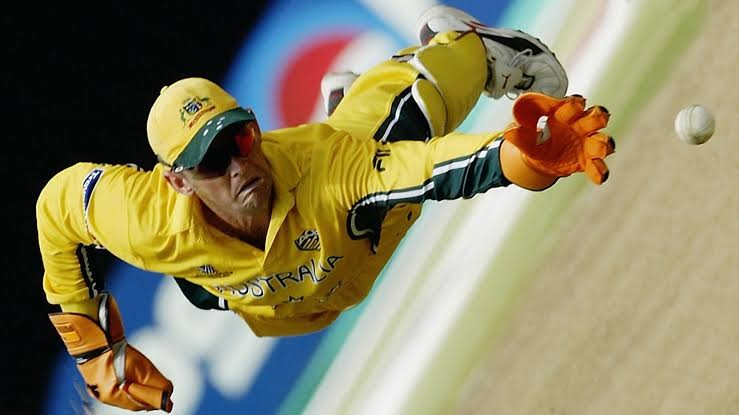
The cuff covers the wrist area and helps keep the glove secure. Different wicket keeping gloves use different cuff designs, with long-cut and short-cut styles among the available options.
- Long-cut cuffs: Provide greater wrist coverage and a more traditional design.
- Short-cut cuffs: Usually have a shorter, squarer cuff that leaves more of the wrist exposed and allows greater freedom of movement.
The best option depends on your wrist comfort, playing style and personal preference. Try both designs if possible before making a decision.
Choose a cuff that provides comfortable support without restricting wrist movement. The fastening should hold the glove in place when you move your hands quickly.
A very tight cuff can become uncomfortable during long innings. A loose cuff may allow the glove to shift while catching.
How to Choose the Correct Wicket Keeping Gloves Size
Measuring your hand is more reliable than selecting gloves based only on age or height.
Follow these steps:
- Place your hand flat with your fingers straight.
- Identify the start of your wrist.
- Measure in a straight line from the start of your wrist to the tip of your longest finger.
- Record the measurement in centimetres.
- Compare it with the size chart provided by the glove manufacturer.
Here is an example of a size guide published by Kookaburra. Use it as a starting point and confirm the chart for the exact model you plan to buy.
| Glove Size | Hand Length |
| Extra Small Junior | Up to 14.5 cm |
| Small Junior | 14.5 to 16 cm |
| Junior | 16 to 17.5 cm |
| Youth | 17.5 to 19 cm |
| Small Adult | 19 to 20 cm |
| Adult | 20 to 21.5 cm |
| Oversize Adult | Above 21.5 cm |
Measurements are brand specific. Always follow the size chart supplied by the manufacturer.
If you wear inner gloves, first measure your hand according to the manufacturer’s instructions. Then try the outer wicket keeping gloves with your inner gloves on. This helps you check that the complete combination feels comfortable without restricting finger movement.
Types of Wicket Keeping Gloves for Different Players
Source Image: Playo
Not every wicketkeeper needs the same level of equipment. Your experience, playing conditions and budget should influence your choice.
| Player Type | Recommended Features | Main Priority |
| Beginners | Comfortable fit, flexible fingers and basic palm padding | Easy catching and control |
| Junior Players | Lightweight design and suitable finger protection | Comfort and correct sizing |
| Club Players | Durable palm, reliable grip and good padding | Regular match performance |
| Advanced Players | Quality materials, secure fit and responsive catching surface | Control and consistency |
| Professional Players | Premium construction and personalised fit | Performance and durability |
Beginners should focus on comfort and correct sizing rather than expensive professional models. Experienced keepers may prefer a particular palm texture, finger design, cuff style or level of padding based on their technique.
Should You Buy Inner Gloves for Wicket Keeping?
Inner gloves are worn underneath the main wicket keeping gloves. They provide an additional layer between your hands and the outer gloves.
They can help manage sweat, improve comfort and provide an additional layer between your hands and the outer gloves. Some inner gloves also provide light cushioning.
Common options include cotton and chamois styles. The best choice depends on personal comfort and how much moisture management you need.
Keep these points in mind:
- Choose inner gloves that fit snugly.
- Avoid thick inners that make the outer gloves too tight.
- Wash or clean them regularly according to the care instructions.
- Allow them to dry fully before storing.
- Check that they do not restrict finger movement.
If you plan to wear inner gloves regularly, try them with the outer pair before purchasing.
Wicket Keeping Gloves vs Batting Gloves
Wicket keeping gloves and batting gloves serve different purposes. They should not be used as substitutes for each other.
| Feature | Wicket Keeping Gloves | Batting Gloves |
| Main purpose | Catching and collecting the ball | Holding the bat and protecting the hands |
| Palm | Designed for catching and grip | Designed for bat control |
| Webbing | Permitted between thumb and index finger | Not a catching feature |
| Finger design | Supports catching and flexibility | Includes batting protection |
| Padding | Focuses on palm and fingertip impact | Focuses on impact protection while batting |
Always use gloves designed for your playing role. Batting gloves do not provide the same catching surface or construction as wicket keeping gloves.
How to Maintain Your Wicket Keeping Gloves
Proper care can help your gloves last longer and maintain their grip.
Follow these simple maintenance tips:
- Clean dirt and moisture from the outer surface after practice.
- Allow the gloves to air dry naturally.
- Avoid leaving them in direct sunlight for long periods.
- Do not store damp gloves inside a closed kit bag.
- Check the palm facing and stitching regularly.
- Keep them away from sharp objects that could damage the material.
- Follow the manufacturer’s cleaning instructions.
- Do not cut, trim or alter the webbing or other glove components.
Avoid using excessive heat to dry the gloves. It can damage the material, stitching and padding.
Conclusion
Choosing the right wicket keeping gloves can improve your comfort, catching control and confidence behind the stumps. Start with the correct size, then check the palm grip, padding, finger protection, webbing and wrist support.
Beginners should prioritise a comfortable fit and reliable protection. Regular club and advanced players can look for stronger materials, cuff designs and features suited to their playing style.
Most importantly, try the gloves with your inner gloves if you use them. A pair that fits naturally and allows you to form a comfortable catching cup is a better choice than one selected only for its brand or price. Make sure the webbing and overall construction remain compliant with the Laws of Cricket.
Frequently Asked Questions About Wicket Keeping Gloves
They should fit snugly without squeezing your fingers. Your fingertips should reach the ends, and the wrist section should remain secure while allowing natural movement.
Leather and synthetic materials are both used. Leather can offer a comfortable feel and durability, while synthetic options may provide a lighter or more affordable choice. Grip quality, construction and fit matter more than the material name alone.
Inner gloves are not compulsory, but they can improve comfort and help manage moisture. They also provide an additional layer between your hands and the outer gloves.
No. Batting gloves are designed to protect the hands while holding a bat. Wicket keeping gloves have a different palm design, catching surface and finger construction.
Their lifespan depends on material quality, playing frequency and maintenance. Regularly check the palm, webbing, padding and stitching. Replace the gloves when the grip or protective structure becomes damaged.